
 by
by 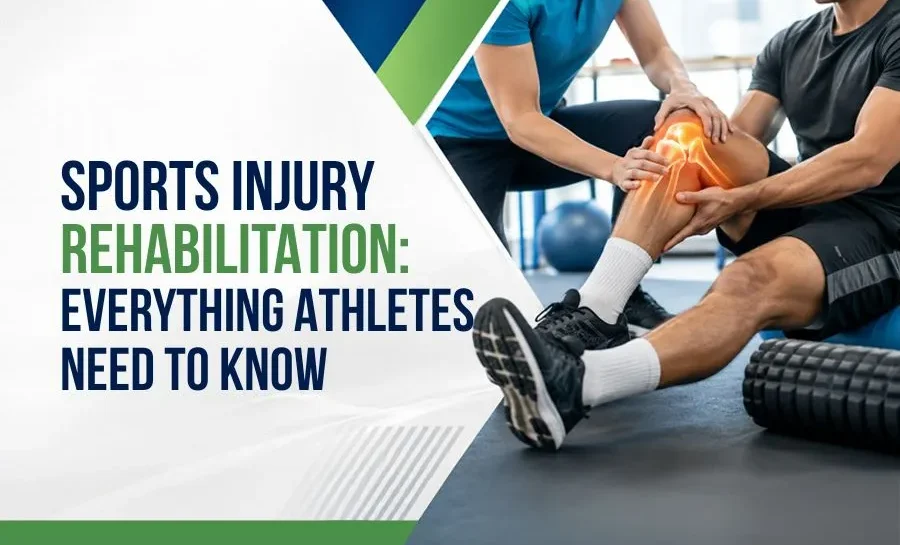
Injuries can occur at the most unexpected times, whether you are a professional athlete, or physically active, or someone just enjoying sports. A sudden twist of the body, awkward landing, or overtraining can lead to injuries negatively impacting the training process and sporting performance.
While it is very important to rest during the first period of recovery, resting itself is seldom sufficient to allow the injured athlete to come back to his/her regular activity safely and on time. Recovery from sports injuries calls for proper rehabilitation programs that will help restore strength and flexibility, balance, and self-esteem.
Let’s take a look at how physiotherapy assists sportsmen in the process of recovery from injuries.
What Is Sports Injury Rehabilitation?
Sports Injury Rehabilitation involves a detailed physiotherapy program to rehabilitate sportsmen after the onset of an injury.
The process involved in rehabilitation is focused on:
- Reducing pain and swelling
- Restoring joint movement
- Increasing muscle power
- Rebuilding balance and coordination
- Returning to sports activities
- Preventing injuries
Since each athlete differs, the rehabilitation process for every individual differs too.
Common Sports Injuries
Sports injuries can affect muscles, ligaments, tendons, joints, and bones.
Some common injuries falling under Sports Injury Rehabilitation include:
- Ankle sprains
- ACL injuries
- Meniscus injuries
- Hamstring injuries
- Quadriceps injuries
- Groin injuries
- Rotator cuff injuries
- Tennis elbow
- Golfer’s elbow
- Achilles tendinopathy
- Shin splints
- Shoulder instability.
Injuries due to excessive movement of a body part can also be common, such as those experienced by runners or swimmers.
What are the Causes of Sports Injuries?
Sports injuries may be caused by a variety of factors.
The following are some of the most prominent causes:
Inadequate Warm-Up
Jumping into strenuous physical activity without warming up first can result in muscle strains and tears.
Muscle Weakness
Tight or weak muscles may put too much strain on joints and tissues.
Overtraining
Lack of recovery time in between physical training sessions may lead to fatigue and injury.
Poor Form
Using improper mechanics of running, lifting, throwing, or landing may cause the muscles to work harder.
Past Injuries
Resuming sports activities before full recovery may create a risk of further injuries.
Being aware of these risk factors can help reduce the chances of sustaining injuries in the future.
What is the Purpose of Sports Injury Rehabilitation?
Sports injury rehabilitation aims to alleviate pain, but it is not the only goal of the rehabilitation program.
Any rehabilitation program should aim to:
- Re-establish normal movement
- Regain strength
- Increase flexibility
- Practice balance and coordination
- Restore confidence
- Prepare athletes for returning to their sport
Returning to a sport too soon may prolong recovery and increase the risk of suffering from injury later on.
Stages of Sports Injury Rehabilitation
Recovery generally consists of multiple phases.
Phase 1: Pain Management
As an initial step, post-injury care consists of managing both pain and inflammation to ensure that the affected area does not get further harmed. In terms of physiotherapy, the treatment can involve:
- Mild mobility motions
- Several forms of manual therapy
- Heating and cooling procedures
- Electrical stimulation (as needed).
The overall concern is to alleviate symptoms without aggravating the injuries.
Phase 2: Mobility Restoration
Once recovery starts, the focus should shift toward restoring mobility. Physiotherapy techniques would help:
- Assure range of motion
- Increase flexibility
- Work on soft tissues.
Enhancing flexibility makes it easier to restore mobility before starting recovery activities.
Phase 3: Strengthening
When mobility is restored, appropriate strength exercises aimed at reconstructing functional abilities can be used. Depending on the case, strength training would include:
- Specific muscle exercises
- Failure of muscle groups
- Core stability improvement
- Enhancing human stability by means of strength exercises
Phase 4: Balance Restoration
Various types of injuries affect not only the specific injured area but the injured person’s overall organization of moves. The aim of balance training is to improve:
- Stability
- Proprioception
- Movement control.
Stage 5: Sports-Specific Rehabilitation
Before returning to sporting events, athletes must be able to execute movements pertinent to their sport.
These can comprise:
- Jogging activities
- Fast-running
- Jumping
- Turning and pivoting
- Delivering throws
- Forces while landing
The level of difficulty is incrementally increased while the level of pain and quality of movement is observed.
Physiotherapy Methods Utilized in Sports Rehabilitation
At Anandi’s Physiotherapy, different therapy methods based on scientific evidence may be utilized for creating an individualized rehabilitation program.
Manual Treatment
Methods that includes touching provide better mobility of joints and help diminish stiffness in muscles.
Therapeutic Training System
Physical exercises are the most important component of rehabilitation.
Stretching Program
Stretching has a restorative effect on muscles and helps eliminate stiffness.
Training on Balance
These exercises work on the coordination of body parts and lower the chances of getting injured again.
Functional System of Training
Exercises in this category must emulate as closely as possible typical movements of athletes during sports training and competitions.
When is an Athlete Ready to Come Back into Sport?
The readiness to return to sport is not based solely on the pain-free experience of the athlete.
The physiotherapist will assess the state of the following variables before resuming the exercise program:
- Strength of muscles
- Range of motion of joints
- Proper balance
- Ability to perform functional movements
- Performance in the sport
- Mental readiness for exercise
A gradual approach to resuming training will lower the chances of future injuries.
Benefits of Rehabilitation after Sports Injuries
A systematic rehabilitation program brings a number of advantages.
Rapid Recovery
During rehabilitation, one can attain progress in the recovery process in a safe manner.
Pain Relief
Physiotherapy is very effective in providing relief of pain and in restoring a normal range of motion.
Improved Strength
Workouts for strength training ensure better support from muscles in injured joints.
Improved Flexibility
Better rehabilitation leads to better mobility of sportsmen.
Lower Probability of Re-Injury
Correction of any faulty movement patterns and problems with muscles due to imbalances helps avoid injuries in the future.
Improved Results
A lot of sportsmen return to sports after injury and improve their skill level.
Tips for Preventing Injuries in Sports
Injuries are not always avoidable, but there are effective preventative methods that can reduce the risk of injury.
These include:
- Doing warm-up exercises prior to training
- Cooling down after an exercise
- Utilizing a balanced strength training regimen
- Gradually increasing the intensity of the training
- Using the correct technique
- Taking rest days for adequate recovery
- Addressing injury-related pain asymptomatically
Other helpful preventive measures include physiotherapy tests before an injury occurs.
Why Choose Anandi’s Physiotherapy?
Anandi’s Physiotherapy provides athletes with tailored rehabilitation plans based on their sport, type of injury, and goals for recovery.
The essence of the clinic’s approach is:
- Full assessment of injuries
- Custom rehabilitation programs
- Evidence-based physiotherapy
- Progressive strengthening training
- Functional training
- Returning to sports advice
The goal is to bring successful rehabilitation to each athlete, allowing him or her to be fit and satisfied with the progress.
Summary
Injuries in sports can be upsetting, but an injury may not prevent sports in one’s life. You only need professional treatment and the right approach to Sports Injury Rehabilitation to be able to recover and feel good about doing any sport.
At Anandi’s Physiotherapy, rehabilitation goes beyond pain relief. It focuses on restoring movement, improving performance, and reducing the risk of future injuries through personalized physiotherapy care.
If you’re recovering from a sports injury, seeking early physiotherapy can make a significant difference in your recovery and help you get back to doing what you love safely and effectively.