
 by
by 
Increasingly, people are experiencing muscle pain and stiffness, and high levels of stress, resulting from a sedentary lifestyle, long hours of work, poor posture, and repetitive labour. Although there are medications available for these issues, many people today are turning to complementary therapies that assist in managing pain and improving the general state of well-being. One such example of this complementary alternative therapy is Cupping Therapy, which has become increasingly popular in the field of physiotherapy.
Cupping therapy is performed by trained healthcare providers and may help relieve muscle tightness, improve blood circulation, and facilitate recovery from a variety of musculoskeletal injuries. Cupping therapy is generally used in conjunction with physiotherapy exercises and manual therapy to help achieve optimal treatment outcomes.
At Anandi’s Physiotherapy, Cupping Therapy in Nagpur is provided as part of a personalised rehabilitation program to assist with managing pain, restoring mobility and assisting with rehabilitation.
In this blog, we will discuss what Cupping Therapy is, how it works, what the benefits are, what types of conditions Cupping Therapy can assist with treating, and what to expect during a Cupping Therapy treatment session.
Table of Contents
What Is Cupping Therapy?
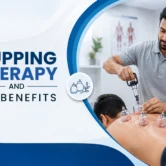
Cupping Therapy is a therapeutic technique that consists of applying specifically designed cups to the body in order to create suction on the skin surface. This suction creates a lift effect on the skin and surrounding subcutaneous tissue, ultimately creating an increase in blood circulation to that area as well as reducing muscle tension when stressed.
Unlike massage, which applies pressure downward into the muscles, cupping therapy gently lifts the tissues upward. This different approach may help relieve tight muscles and improve movement.
Today, cupping therapy is commonly used by physiotherapists as part of a comprehensive treatment plan rather than as a standalone treatment.
How Does Cupping Therapy Work?
Cupping therapy is a technique where silicone, plastic or glass cups are applied to various points on the body, and a controlled vacuum creates suction to attach the cup to the skin.
The suction created by the cups may help:
- Increase blood flow to the area.
- Reduce muscle tension.
- Enhance soft tissue range of motion.
- Promote the natural healing processes of the body.
The cups can either remain still for a certain period of time or move across the skin (with lubrication) according to the practitioner’s judgment of what will be beneficial for the patient.
The suction strength and time frame will vary according to each patient’s individual needs based on their comfort level and treatment criteria.
Types of Cupping Therapy
Many different types of cupping techniques can be used in clinics.
Static Cupping
This method involves leaving the cups in one place for several minutes, usually over an area of trapped muscle tension and to promote circulation only.
Dynamic (Moving) Cupping
This technique consists of the physiotherapist first applying oil or lotion to the area and then moving the cups back and forth over the skin. The dual effect is a combination of suctioning and soft tissue mobilisation.
Dry Cupping
Dry cupping is simply suctioning and is the most frequently utilised method in physiotherapy.
Your physiotherapist will determine what cupping method will work best for your symptoms and goals.
Conditions That May Benefit from Cupping Therapy
Cupping therapy is an adjunct treatment to a physiotherapy treatment plan for multiple musculoskeletal disorders, including but not limited to:
– Neck Pain
– Back Pain
– Shoulder Stiffness
– Muscle Tension
– Sports Injuries
– Myofascial Pain Syndrome
– Trigger Points
– Muscle Fatigue After Exercise
Cupping therapy can also be used in conjunction with rehabilitation exercises to improve movement and flexibility.
Cupping therapy is not a stand-alone treatment for these conditions and is most effective when used as a part of a complete physiotherapy treatment program, which includes exercise, education, and hands-on therapy.
The Benefits of Cupping Therapy
When applied by a trained physiotherapist, cupping therapy can provide the following potential benefits:
Muscle Tightness Reduction
Muscle tightness can limit movement and create discomfort. The suction created via cupping may help alleviate soft tissue tension and muscle tightness.
Better Blood Circulation
The suction generated by cupping may create an increase in the amount of blood flow to the area; this increase in blood flow will increase tissue nourishment and will help facilitate the body’s ability to heal naturally.
Support Pain Management
Several patients report experiencing temporary pain relief after receiving cupping therapy. When used concomitantly with physiotherapy, cupping therapy may allow for improved comfort during rehabilitation.
Increased Mobility
By reducing soft tissue tension, cupping therapy has the potential to improve flexibility and joint mobility; as a result, performing daily living tasks will be easier.
Supports Sports Recovery
Athletes and physically active individuals sometimes use cupping therapy to reduce post-exercise muscle soreness and support recovery after intense training sessions.
Complements Physiotherapy
One of the biggest advantages of cupping therapy is that it works well alongside other physiotherapy treatments, including stretching, strengthening exercises, and manual therapy.
What Happens During a Cupping Therapy Session?
Science and Evidence-Based Research on the Efficacy of Cupping Therapy
Cupping therapy has been used for over 2000 years for many different purposes. Cupping therapy is not a cure for medical conditions; rather, it is a complementary form of healing that can be used to enhance the healing capability of your body’s tissue.
Cupping Therapy is based on the scientific principles of physiology and biology. Cupping therapy is thought to increase circulation, decrease inflammation, and promote the healing of the tissues surrounding the cup. Additionally, cupping may stimulate the immune system through increased blood flow. Cupping may also help relax tight muscles and fascia, thus reducing tension and pain.
Cupping therapy can help relieve pain and discomfort associated with many disorders, such as:
- Arthritis.
- Tendonitis.
- Muscle and tendons strains and sprains.
- Lumbar disc herniation/degenerative disc disease.
- Carpal tunnel syndrome.
- Rotator cuff injuries.
- Locomotor disorders (e.g., fibromyalgia).
- Chronic headaches.
- Scoliosis and other postural conditions.
However, it’s important to note that not every person will respond positively to cupping therapy. You should discuss with your physiotherapist any specific questions you may have regarding the appropriateness of using cupping therapy in your situation.
Who Should Avoid Cupping Therapy?
Cupping Therapy is generally safe when performed by a qualified health professional; however, certain conditions may limit its use or make it inappropriate for use in a person.y
People who have:
open wounds or skin infections.
severe skin conditions in the area where the cupping is to be performed.
certain bleeding disorders.
are taking blood-thinning medications.
are pregnant (for specific cupping sites).
should be evaluated on a case-by-case basis before receiving Cupping Therapy or using it.
Whether Cupping Therapy is appropriate for an individual can be determined by how they respond to various assessments.
Why You Should Choose Anandi’s Physiotherapy
At Anandi’s Physiotherapy, we assess and develop treatment plans for each patient’s needs, not just based on one technique.
For patients receiving Cupping Therapy in Nagpur, we focus on:
- An in-depth physiotherapy assessment.
- Personalised treatment plans.
- Evidence-based rehabilitation.
- Cupping Therapy integrated with exercise and manual therapy.
- Patient education for long-term recovery.
These four areas combined will enable patients to achieve improved pain management, better mobility, and an overall improvement in function for the long-term.
Conclusion
Cupping Therapy is an excellent alternative method of treatment for musculoskeletal pain, stiffness, and movement restrictions in contemporary physiotherapy. Improving the local blood flow and reducing tightness in the soft tissue, it will enhance the way a muscle recovers and subsequently aid the rehabilitation process.
However, the best results are achieved when cupping therapy is combined with a personalised physiotherapy program rather than used alone.
If you’re experiencing persistent muscle pain, reduced mobility, or sports-related injuries, Anandi’s Physiotherapy offers professional Cupping Therapy in Nagpur as part of a comprehensive treatment plan designed to help you recover safely, move comfortably, and return to your daily activities with confidence.